Every ABARKA course is built with the same learning architecture we use in our own programmes and in the KA2 projects we coordinate: non-formal, practice-first, designed backwards from what the participant must be able to do on Monday morning back home. This edition pushes that further — Monday morning is during the course.
Three phases, one deliverable.
Phase 1 — Virtual kick-off (2 hours, four weeks before). Everyone online. Each entity presents its community problem in 90 seconds. Profiles are matched against the two calls. Draft consortia are formed in breakout rooms, each with a provisional coordinator and a working title. You leave the session knowing who you are probably working with — and what you must go and find out.
Phase 2 — Guided self-work (four weeks, about 8–10 hours). Each entity assembles its evidence pack: the problem as your community states it, three sources that corroborate it, what has already been tried locally, who the young people concerned are and how they were consulted. Draft consortia hold at least one call of their own. Everything is uploaded to the shared workspace before arrival, so that day one starts with material, not with introductions.
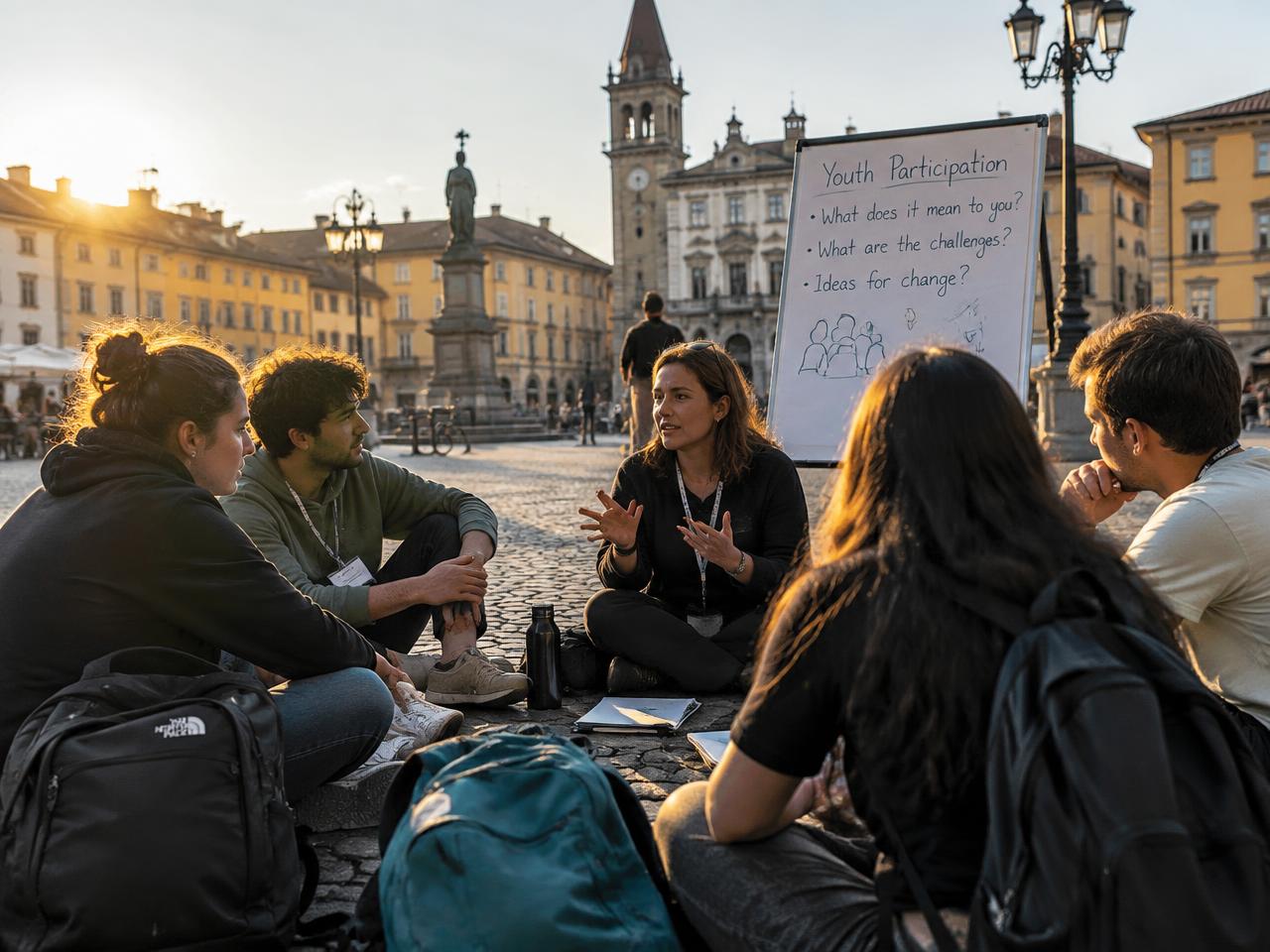
Phase 3 — Five intensive days in Dakar. Short inputs, long work blocks, tight deadlines, and a daily output that must exist before the room closes. Trainers rotate as consultants. Consortia red-team one another against the real scoring grid. AI labs are woven between the working blocks, never instead of them.
Phase 4 — Submission clinics (three online sessions at +2, +4 and +6 weeks). Because a dossier that is ready on Friday still has to be submitted. We stay with you until it is.
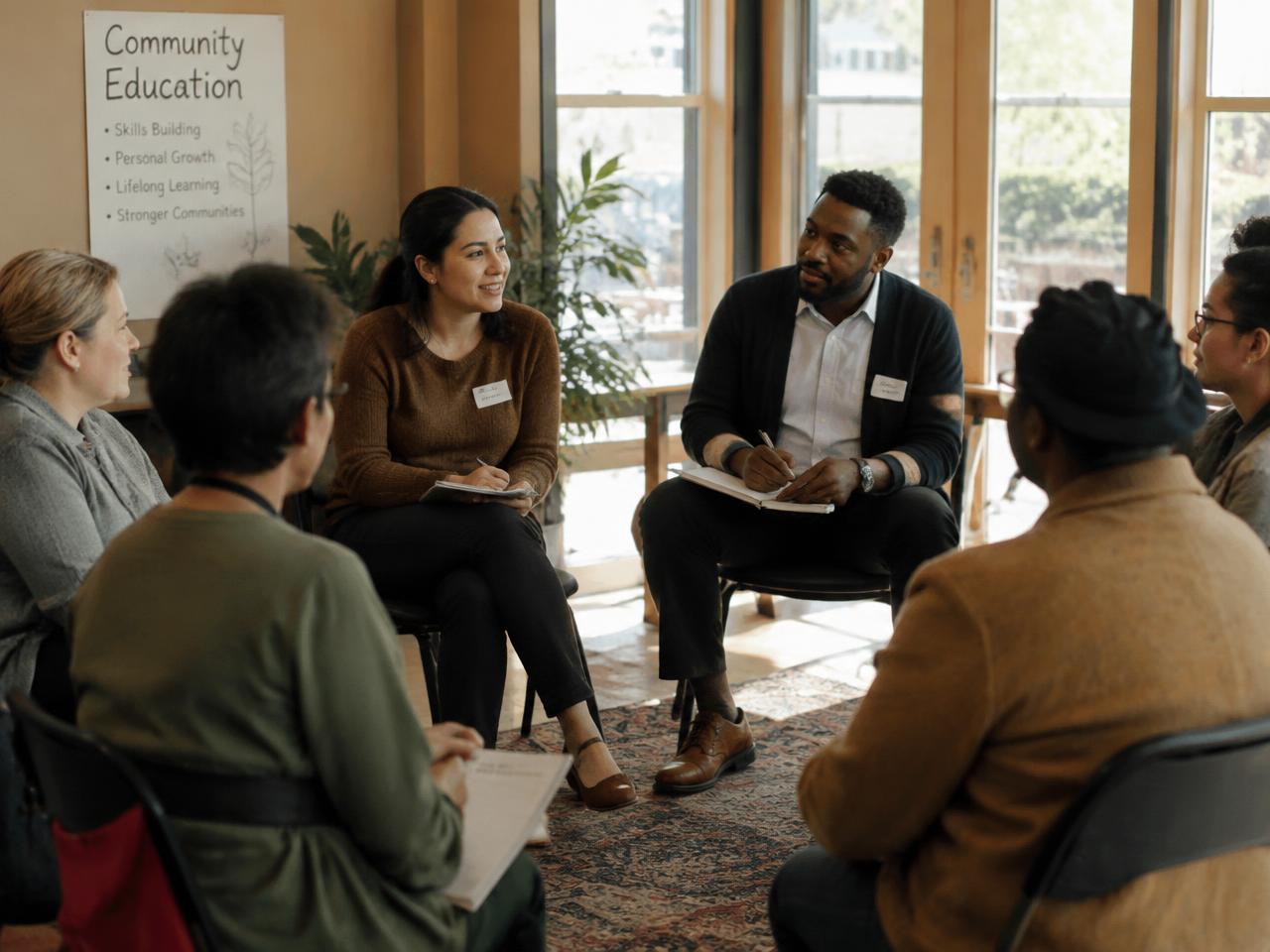
Working methods: problem-tree and root-cause mapping · theory-of-change canvassing · consortium market · structured AI labs with a shared prompt library · peer consultancy in the red-team format · live virtual-exchange demonstration · pitch rounds scored against the award criteria · daily reflection in national and mixed groups.